Why go to therapy? What psychological support can offer you
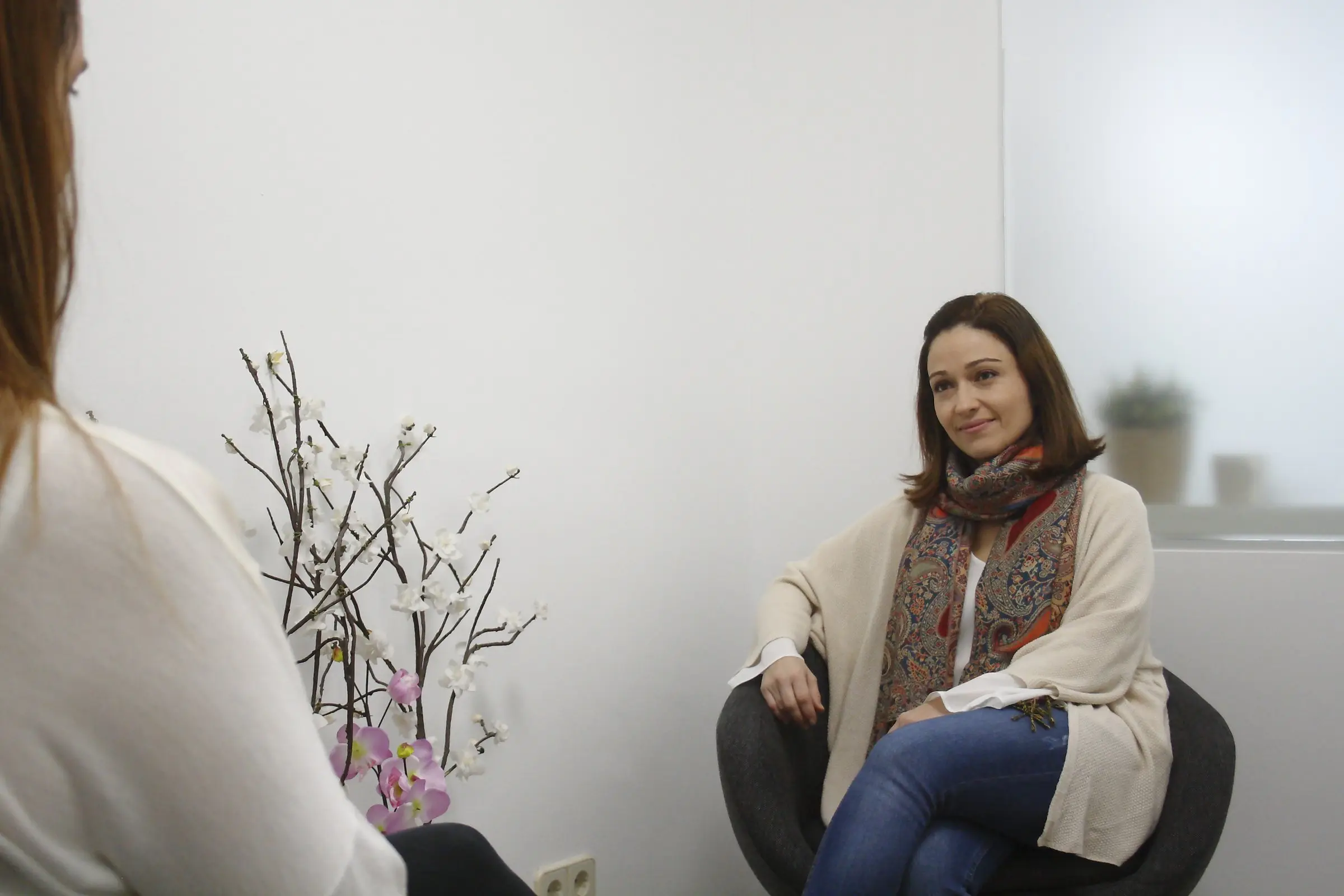
For a long time, seeing a psychologist was associated with “not being well” or having a serious problem. Today more and more people see it differently: as a space to understand what they feel, sort out their thoughts and learn to look after themselves. Just as we look after our bodies, we can look after our emotional health too.
What therapy is (and what it is not)
Psychological therapy is a process of guided conversation with a registered professional, in a confidential space. It is not about being given advice or having someone decide for you, but about looking at what is happening from another perspective and finding your own resources.
You do not need to know exactly what is wrong before you start. Sometimes people arrive with a vague feeling, such as tiredness, irritability or sadness, and the process itself helps to put a name to it.
Times when it can help
- A big change: moving house, a new job, a new baby or retirement.
- A loss or a separation.
- Stress or worries that keep coming back and are hard to stop.
- Conflict with your partner, your family or at work.
- Feeling stuck or always repeating the same patterns.
- Wanting to know yourself better, even without any particular problem.
What the research says
The American Psychological Association points out that there is strong evidence that psychotherapy is effective, and that results depend on three things: evidence-based methods, the professional’s expertise and each person’s own characteristics and preferences.
One factor stands out across many studies: the therapeutic alliance, meaning the relationship of trust and collaboration between the person and their therapist. A large meta-analysis published in 2018 found that a good alliance is consistently associated with better outcomes. That is why it matters so much that you feel heard and comfortable from the start.
What the first session is like
It is normal to feel a little nervous. In the first session we talk about what brings you here, how it affects your daily life and the support you have. You decide what to share and when: you do not have to talk about anything you do not feel ready for.
At the end, we agree on some goals and a way of working together. Sessions can be in person in La Garriga or by video call.
What you can expect from the process
- Confidentiality. What you say in therapy stays between you and your psychologist, except for the exceptions set by law to protect people.
- A space without judgement. There are no right or wrong answers.
- Tools for everyday life. To understand your emotions, communicate better and manage stress.
- A pace that suits you. Therapy is not for life: sessions become less frequent as you build your own resources.
If you would like to start working on yourself, the articles on emotional intelligence and resilience may help.
If your distress feels very intense or you have thoughts of harming yourself, contact your doctor or, in Spain, call 024, the free suicide prevention line, available 24 hours a day.
Frequently asked questions
Do I have to be in a really bad way to go to therapy?
No. Many people start therapy to get to know themselves better, prepare for a change or look after their wellbeing, without any serious problem.
What is the difference between talking to a friend and having therapy?
Talking to someone you trust helps a lot. Therapy adds a professional perspective, free of judgement or personal interests, and evidence-based tools to understand what is happening to you.
Does online therapy work just as well?
For many people, yes. What matters is having a quiet, private space for the session. If you are unsure which format suits you, we can talk it through.
Sources
- American Psychological Association. Understanding psychotherapy and how it works.
- Flückiger C, et al. The alliance in adult psychotherapy: a meta-analytic synthesis. Psychotherapy. 2018;55(4):316-340. PubMed
- Spanish Ministry of Health and Spanish Society of Family and Community Medicine. Siéntete mejor y conecta (Feel better and connect).
Educational content. It is not a diagnosis or a treatment recommendation and does not replace an assessment by a healthcare professional. If any symptom persists, please see your doctor. How we write our articles.